
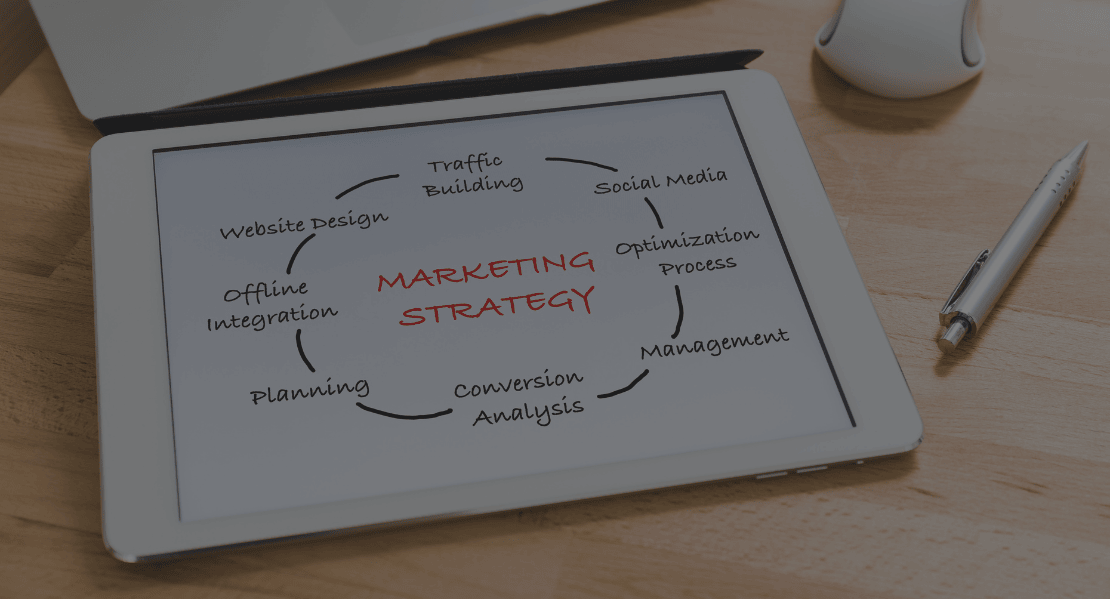
Why Having A Strategy Is Essential For Marketing Success?
Marketing without a strategy is like driving without gas—sure, you can start, but you won’t get very far. A clear strategy is what powers your marketing, guiding your efforts, budget, and focus in the right direction. Here’s why a strategy is essential and how it makes all the difference.
1. Set Clear Goals and Direction
Imagine setting off on a road trip with no destination in mind. You’ll end up somewhere, but will it be where you want to go? A marketing strategy forces you to define goals. Whether it’s increasing brand awareness, generating leads, or boosting sales, clear objectives ensure that every marketing move is intentional.
Did you know that Nike’s “Just Do It” campaign, began in 1988, and it had one clear objective: build an emotional connection with consumers beyond athletes. Nike wanted to own the emotional narrative of pushing personal limits, and it stayed focused on that goal.

2. Maximize Your Resources with a targeted approach
Marketing resources—budget, time, people—are limited. A strategy ensures you allocate them effectively. Rather than throwing money into every platform, it helps you invest where your target audience actually is, and where you’ll get the best return. Make sure to test the waters with your strategy, and analyze the results before expanding and going all in.
3. Consistency Builds Trust
Without a strategy, your brand messaging can become inconsistent, confusing your audience. A strategy ensures you maintain a consistent voice, tone, and message across all marketing channels, which is key to building trust.
4. Data-Driven Decisions
A strategy allows you to base decisions on real data, not guesswork. You can track key metrics—like engagement or conversions—and adjust your approach accordingly.
5. Flexibility with Focus
A strategy gives you the framework to adapt when needed. Markets shift, trends change, and having a plan lets you pivot without losing focus.
Marketing without a strategy is risky, costly, and inefficient. It’s the difference between random acts of marketing and a cohesive, impactful plan.